Quarterly Question · Q2 2026
How Are BC Local Governments Managing the Financial Demands of Housing Growth?
Thirty BC local governments responded to this quarter's survey, naming two structural gaps — incomplete lifecycle modelling and finance's limited role in housing strategy — and three priorities for closing them.
|
30
Local governments responded
|
7%
Report growth is fully sustainable
|
7%
Involve finance early in housing strategy
|
We asked members how housing growth is reflected in their financial planning. Thirty local governments responded — a self-selected sample. Members were surveyed in April 2026, more than two years after the November 2023 wave of provincial housing legislation (Bills 44, 46, and 47) and two months after the February 2026 provincial budget, which reallocated $1.4 billion from the housing strategy over three years.
Lifecycle Modelling
Nearly half of respondents (47%) reported that they do not yet have a full-lifecycle financial model in place. Another 33% said growth is creating structural financial gaps, 13% said capital is funded but long-term operating impacts create pressure, and 7% said growth is fully sustainable, with revenues aligned with lifecycle costs. Of the 30 respondents, 23% were unsure whether housing-related costs are appropriately shared between developers and current and future taxpayers, citing insufficient analysis to determine.
47% lack a full-lifecycle financial model. Only 7% report that growth is fully sustainable.
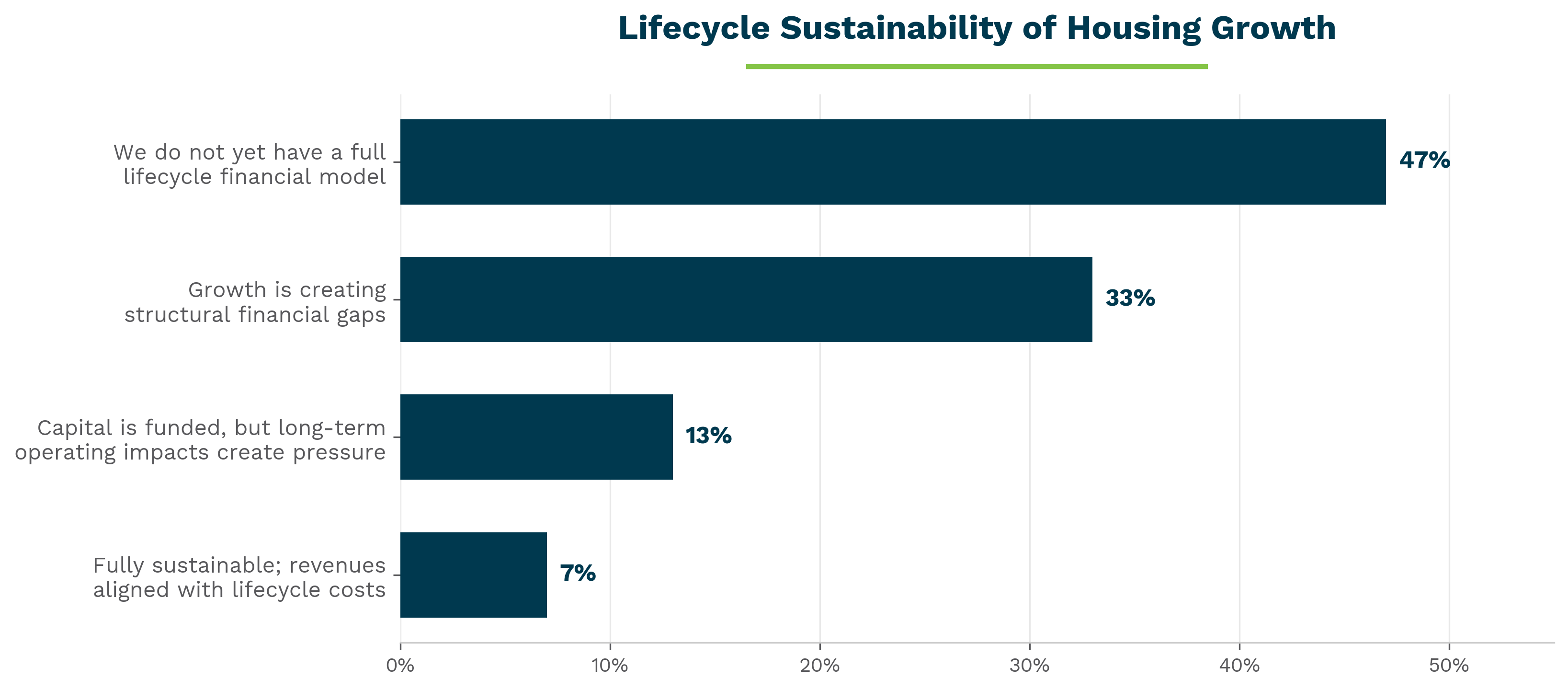
Figure 1: Self-reported lifecycle financial sustainability of housing growth (n=30)
Finance Involvement in Housing Decisions
Only 7% of respondents described finance as involved early, playing a leading advisory role in shaping housing strategy. The remaining respondents reported that finance is involved late (33%), mid-stream after policy direction is largely set (20%), or that involvement varies significantly (40%). On communication confidence to council, 31% of the 29 respondents who answered this question said they lack the modelling or data to communicate long-term housing-related fiscal risk clearly.
Only 7% involve finance early in housing strategy as a leading advisory voice.
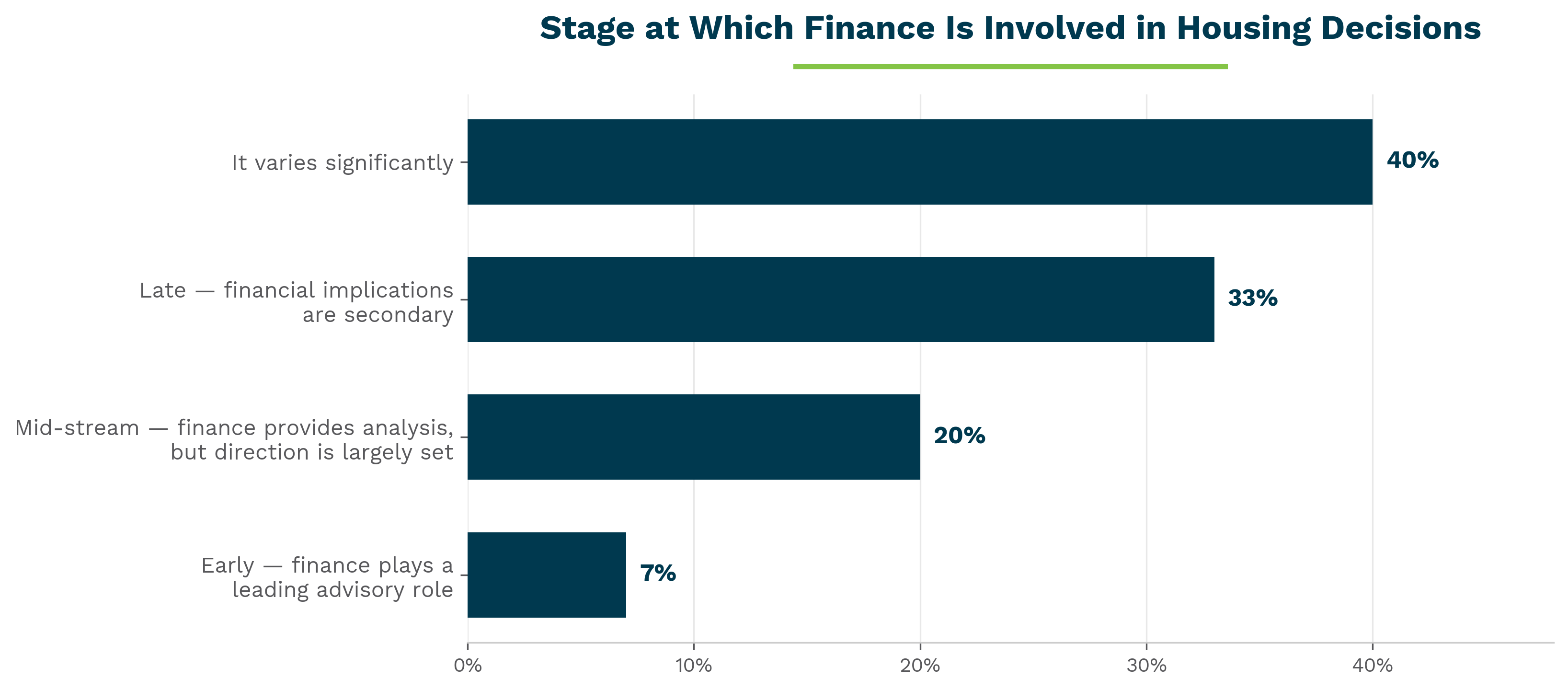
Figure 2: Stage at which finance is involved in housing-related decisions (n=30)
What Members Want from the Province
When asked what single change would most improve their ability to manage housing growth, respondents pointed to provincial cost-sharing for growth-related infrastructure (23%), a provincial commitment not to mandate growth without corresponding fiscal support (23%), and better data and tools to model long-term fiscal impact (20%). Greater flexibility in how DCCs and development charges can be used scored 13%, earlier and more meaningful involvement of finance in housing policy decisions scored 7%, and 13% selected other. Together, the first three options account for 66% of responses.
Two-thirds of respondents (66%) want one of three things from the province: cost-sharing, a no-mandates-without-funding commitment, or better modelling tools.
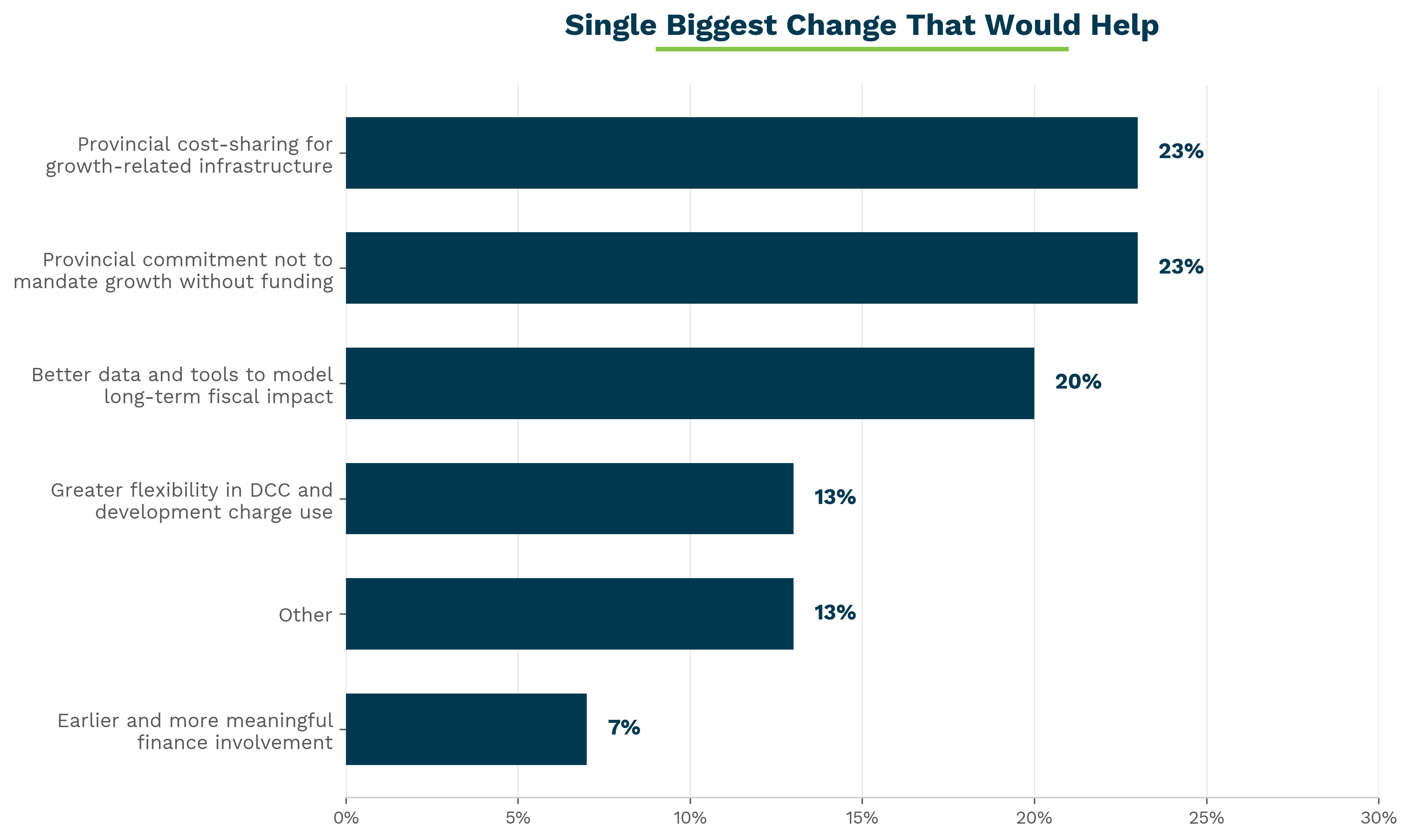
Figure 3: The single biggest change that would improve the ability to manage housing growth (n=30)
Open-Ended Responses
In the open-text field, respondents identified specific legislative referents (Bills 44 and 46), specific tools (DCC scope, density bonusing), and local infrastructure realities (raw water supply, septic-only systems) that the multiple-choice options did not capture.
One respondent stated that BC's statutory five-year financial planning horizon is too short for infrastructure decisions with multi-decade asset lives, and suggested a provincial requirement to adopt 10- to 20-year financial plans tied to grant eligibility. A long-term financial planning commitment is already a condition of eligibility for the Canada Community-Building Fund under the 2024–2034 tripartite agreement; the respondent's proposal would mirror that requirement in provincial legislation.
Looking Ahead
These findings will inform the Housing Dialogue panel discussion on Day 3 of the GFOABC Annual Conference (May 29 in Kelowna). If your community has found approaches that work — through reserves, partnerships, longer-term planning, or otherwise — we encourage you to share them on the GFOABC forum.
For the full underlying data, view the interactive charts.